Buy fjz.eu ?
We are moving the project
fjz.eu .
Are you interested in purchasing the domain
fjz.eu ?
domain@kv-gmbh.de · 0541-91531010
Buy fjz.eu ?
Does every car have an intercooler?
No, not every car has an intercooler. Intercoolers are typically found in turbocharged or supercharged vehicles, where they are used to cool the compressed air before it enters the engine. Naturally aspirated engines, which do not use forced induction, do not require an intercooler. Additionally, some older or lower-performance turbocharged vehicles may not be equipped with an intercooler. **
Which 149?
It is unclear what "149" is referring to without more context. It could be a reference to a specific year, a quantity, a code, or something else entirely. Without further information, it is difficult to provide a specific answer to the question "Which 149?" **


Similar search terms for CLIMTEX-CH4-149-Intercooler
Top-Angebote
Products related to CLIMTEX-CH4-149-Intercooler:
-
CLIMTEX CH4-178 IntercoolerCore Length [mm]: 572; Core Width [mm]: 128; Core Depth [mm]: 50; Supplementary Article / Supplementary Info: Left connector, straight, Right connector, straight, with gaskets/seals; Cooling Type: air-cooled; Supplementary Article / Supplementary Info Info 2: with quick couplers; Cooling Fin Material: Aluminium; Radiator type: Mechanically jointed cooling fins; Water Tank Material (radiator): Aluminium65,49 £*Shipping: 8,45 £Secure redirect to the provider
-
CLIMTEX CH4-191 IntercoolerCore Length [mm]: 673; Core Width [mm]: 200; Core Depth [mm]: 37; Supplementary Article / Supplementary Info: Left connector, straight, with gaskets/seals; Cooling Type: air-cooled; Supplementary Article / Supplementary Info Info 2: without quick coupling; Cooling Fin Material: Aluminium; Radiator type: Mechanically jointed cooling fins; Water Tank Material (radiator): Aluminium153,99 £*Shipping: 1,99 £Secure redirect to the provider
-
CLIMTEX CH4-211 IntercoolerRadiator type: Brazed cooling fins; TecDoc Engine Number: 26934, 26935, 36090, 26940, 26941, 26636, 26943, 29628, 29629, 29634, 29631, 29632, 29635, 29630, 45625, 48024, 37358, 45629, 45627, 37359, 45624, 45623, 37360, 48022, 45626, 45628, 45634, 39431, 39429, 39430, 45631, 45799136,99 £*Shipping: 1,99 £Secure redirect to the provider
-
CLIMTEX CH4-246 IntercoolerCooling Type: air-cooled; Core Length [mm]: 660; Core Width [mm]: 280; Core Depth [mm]: 30; Water Tank Material (radiator): Plastic; Cooling Fin Material: Aluminium; Transmission Type: Automatic Transmission, 6-Speed Automatic Transmission139,99 £*Shipping: 1,99 £Secure redirect to the provider

-
What does a large intercooler really bring?
A large intercooler brings improved cooling efficiency to the engine's intake air, resulting in increased power and performance. By reducing the temperature of the compressed air from the turbocharger, a large intercooler allows for a denser air charge to enter the engine, leading to more efficient combustion and higher horsepower output. Additionally, a large intercooler can help prevent heat soak and reduce the risk of engine knock, ultimately contributing to better overall engine reliability and longevity. **
-
Who is stronger, 149?
It is not clear who or what "149" refers to, so it is difficult to determine who or what is stronger. If you can provide more context or details about what "149" is, I would be happy to help answer your question. **
-
How do you calculate 149?
To calculate 149, you simply add the digits together: 1 + 4 + 9 = 14. Therefore, the sum of the digits of 149 is 14. **
-
What does "latein 149" mean?
"Latein 149" refers to the Latin language in the year 149. This could be a reference to the state of the Latin language at that time, or to a specific event or work related to Latin in the year 149. It could also refer to a specific edition or version of a Latin text that was published in 149. **
What does Latin 149 mean?
Latin 149 refers to a specific course or class number in a Latin language program. The number 149 typically indicates the level or sequence of the course, with higher numbers usually representing more advanced or specialized topics. Students enrolled in Latin 149 can expect to continue building upon their knowledge of Latin grammar, vocabulary, and translation skills, likely focusing on more complex texts and literary works. **
What is the binding energy of CH4?
The binding energy of CH4, also known as the bond dissociation energy, is the energy required to break the bonds between the carbon and hydrogen atoms in a methane molecule. This energy is approximately 439 kJ/mol. It represents the strength of the bonds holding the atoms together in the molecule and is a measure of the stability of the molecule. The higher the binding energy, the more stable the molecule is. **
Top-Angebote
Products related to CLIMTEX-CH4-149-Intercooler:
-
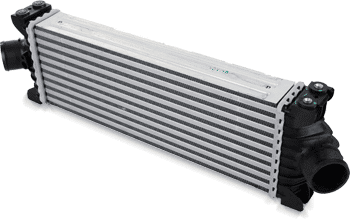
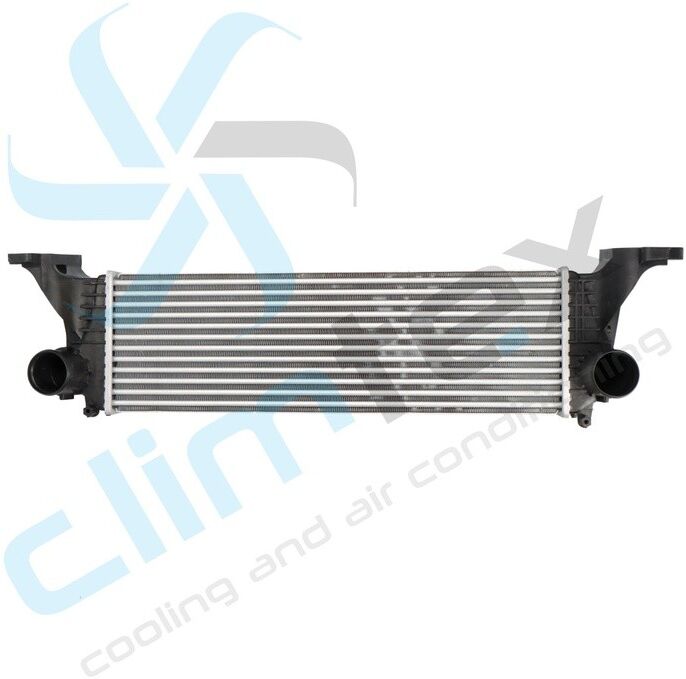
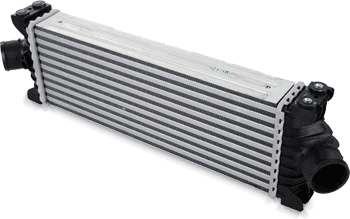
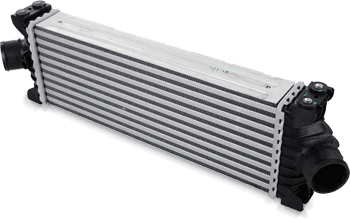
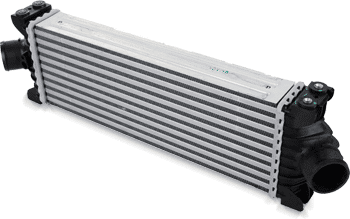
CLIMTEX CH4-149 IntercoolerCore Length [mm]: 69; Core Width [mm]: 260; Core Depth [mm]: 61; Supplementary Article / Supplementary Info: Left connector, straight, Right connector, straight, with gaskets/seals; Cooling Type: water-cooled; Supplementary Article / Supplementary Info Info 2: without quick coupling; Cooling Fin Material: Aluminium; Radiator type: Mechanically jointed cooling fins; Water Tank Material (radiator): Aluminium63,99 £*Shipping: 8,45 £Secure redirect to the provider
-
CLIMTEX CH4-178 IntercoolerCore Length [mm]: 572; Core Width [mm]: 128; Core Depth [mm]: 50; Supplementary Article / Supplementary Info: Left connector, straight, Right connector, straight, with gaskets/seals; Cooling Type: air-cooled; Supplementary Article / Supplementary Info Info 2: with quick couplers; Cooling Fin Material: Aluminium; Radiator type: Mechanically jointed cooling fins; Water Tank Material (radiator): Aluminium65,49 £*Shipping: 8,45 £Secure redirect to the provider
-
CLIMTEX CH4-191 IntercoolerCore Length [mm]: 673; Core Width [mm]: 200; Core Depth [mm]: 37; Supplementary Article / Supplementary Info: Left connector, straight, with gaskets/seals; Cooling Type: air-cooled; Supplementary Article / Supplementary Info Info 2: without quick coupling; Cooling Fin Material: Aluminium; Radiator type: Mechanically jointed cooling fins; Water Tank Material (radiator): Aluminium153,99 £*Shipping: 1,99 £Secure redirect to the provider
-
Does every car have an intercooler?
No, not every car has an intercooler. Intercoolers are typically found in turbocharged or supercharged vehicles, where they are used to cool the compressed air before it enters the engine. Naturally aspirated engines, which do not use forced induction, do not require an intercooler. Additionally, some older or lower-performance turbocharged vehicles may not be equipped with an intercooler. **
-
Which 149?
It is unclear what "149" is referring to without more context. It could be a reference to a specific year, a quantity, a code, or something else entirely. Without further information, it is difficult to provide a specific answer to the question "Which 149?" **
-
What does a large intercooler really bring?
A large intercooler brings improved cooling efficiency to the engine's intake air, resulting in increased power and performance. By reducing the temperature of the compressed air from the turbocharger, a large intercooler allows for a denser air charge to enter the engine, leading to more efficient combustion and higher horsepower output. Additionally, a large intercooler can help prevent heat soak and reduce the risk of engine knock, ultimately contributing to better overall engine reliability and longevity. **
-
Who is stronger, 149?
It is not clear who or what "149" refers to, so it is difficult to determine who or what is stronger. If you can provide more context or details about what "149" is, I would be happy to help answer your question. **
Similar search terms for CLIMTEX-CH4-149-Intercooler
-
CLIMTEX CH4-211 IntercoolerRadiator type: Brazed cooling fins; TecDoc Engine Number: 26934, 26935, 36090, 26940, 26941, 26636, 26943, 29628, 29629, 29634, 29631, 29632, 29635, 29630, 45625, 48024, 37358, 45629, 45627, 37359, 45624, 45623, 37360, 48022, 45626, 45628, 45634, 39431, 39429, 39430, 45631, 45799136,99 £*Shipping: 1,99 £Secure redirect to the provider
-
CLIMTEX CH4-246 IntercoolerCooling Type: air-cooled; Core Length [mm]: 660; Core Width [mm]: 280; Core Depth [mm]: 30; Water Tank Material (radiator): Plastic; Cooling Fin Material: Aluminium; Transmission Type: Automatic Transmission, 6-Speed Automatic Transmission139,99 £*Shipping: 1,99 £Secure redirect to the provider
-
CLIMTEX CH4-280 IntercoolerCooling Fin Material: Aluminium; Cooling Type: air-cooled; Core Depth [mm]: 24; Core Length [mm]: 670; Core Width [mm]: 415; Water Tank Material (radiator): Aluminium; Radiator type: Brazed cooling fins; Construction Year from: 11/2013174,99 £*Shipping: 1,99 £Secure redirect to the provider
-
CLIMTEX CH4-297 IntercoolerCooling Type: air-cooled; Core Length [mm]: 618; Core Width [mm]: 97; Core Depth [mm]: 76; Water Tank Material (radiator): Plastic; Cooling Fin Material: Aluminium; Radiator type: Brazed cooling fins; Transmission Type: Manual Transmission125,99 £*Shipping: 1,99 £Secure redirect to the provider
-
How do you calculate 149?
To calculate 149, you simply add the digits together: 1 + 4 + 9 = 14. Therefore, the sum of the digits of 149 is 14. **
-
What does "latein 149" mean?
"Latein 149" refers to the Latin language in the year 149. This could be a reference to the state of the Latin language at that time, or to a specific event or work related to Latin in the year 149. It could also refer to a specific edition or version of a Latin text that was published in 149. **
-
What does Latin 149 mean?
Latin 149 refers to a specific course or class number in a Latin language program. The number 149 typically indicates the level or sequence of the course, with higher numbers usually representing more advanced or specialized topics. Students enrolled in Latin 149 can expect to continue building upon their knowledge of Latin grammar, vocabulary, and translation skills, likely focusing on more complex texts and literary works. **
-
What is the binding energy of CH4?
The binding energy of CH4, also known as the bond dissociation energy, is the energy required to break the bonds between the carbon and hydrogen atoms in a methane molecule. This energy is approximately 439 kJ/mol. It represents the strength of the bonds holding the atoms together in the molecule and is a measure of the stability of the molecule. The higher the binding energy, the more stable the molecule is. **
* All prices are inclusive of VAT and, if applicable, plus shipping costs. The offer information is based on the details provided by the respective shop and is updated through automated processes. Real-time updates do not occur, so deviations can occur in individual cases. ** Note: Parts of this content were created by AI.